Insights & News
Insights on risk management, model development, loss forecasting, CECL, and stress testing from practitioners who build the models. Thought before calculation, every time.
We extend our Fort Myers Fannie mortgage loss analysis by showing how loans, ranked by expected loss rates and updated LTVs, perform if home prices decline 57%.
We then compare 2007 and 2025 portfolios to show why a crisis could re-occur.


Recent Insights

How to Incorporate Tariffs into Loss Forecasts
Read more: How to Incorporate Tariffs into Loss ForecastsWith tariffs, we show four ‘do’s and one ‘don’t’ for building loss forecasts you can defend when the history you need doesn’t exist.

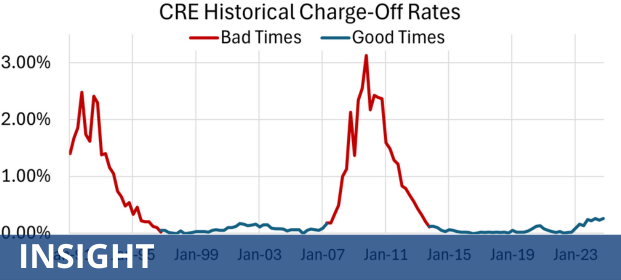
Better Risk Management or Simply 15 Years of Good Times?
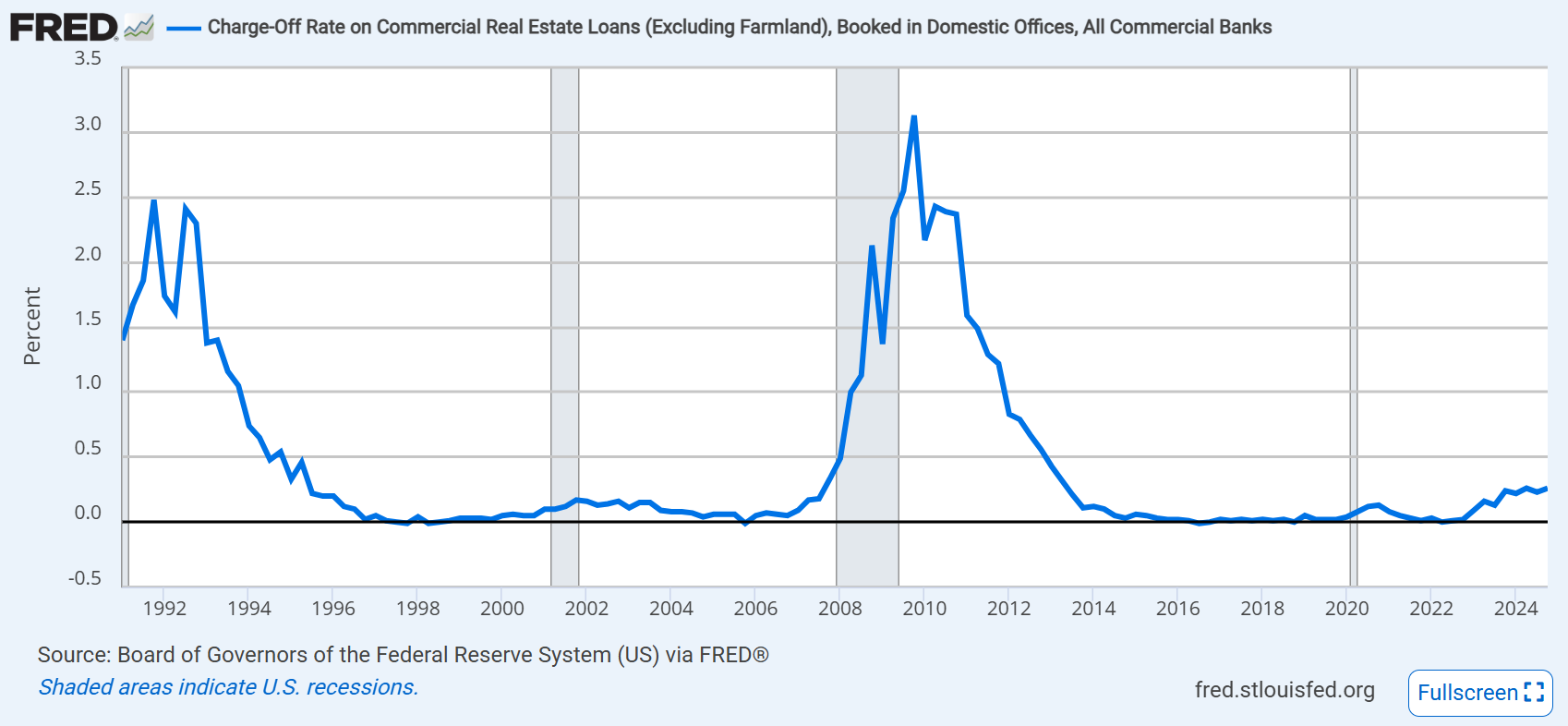
Read more: Better Risk Management or Simply 15 Years of Good Times?Extended low credit losses may say more about the economy and asset values than about risk management. We ask six questions on inflated values, portfolio drift, suppressed delinquency signals, etc., to test whether risk management is truly better.

Do More Bank Regulations Reduce Share Prices?
Read more: Do More Bank Regulations Reduce Share Prices?After SVB, an investor asked Andy how much bank earnings would suffer from anticipated new regulation. The answer depends on something the question leaves out: even if costs would increase, what would happen to riskiness of earnings and, therefore, required returns? Slightly lower earnings with a lot less risk might be highly desirable.
Bank Regulation after SVB
Read more: Bank Regulation after SVBWe present our initial impressions of the Fed’s review of SVB’s failure. The board sums it up nicely in its first paragraph: “Silicon Valley Bank (SVB) failed because of a textbook case of mismanagement by the bank. Its senior leadership failed to manage basic interest rate and liquidity risk.” We discuss the implications.
It’s Never about Capital!
Read more: It’s Never about Capital!Since Silicon Valley Bank’s demise, many of the usual suspects have been yapping and editorializing about the importance of capital and capital ratios, but it’s never about capital. It’s always about liquidity!
SR 15-18 vs SR 15-19 vs HCR – What Are the Differences?
Read more: SR 15-18 vs SR 15-19 vs HCR – What Are the Differences?The 2019 tailoring rule sorted firms into Categories I through IV, but SR 15-18, SR 15-19 and the Horizontal Capital Review are all still live. A current read on which expectations apply where, with the section and appendix detail.
Thoughts on Silicon Valley Bank Collapse
Read more: Thoughts on Silicon Valley Bank CollapseAndy Spero shares some of his thoughts on the Silicon Valley Bank collapse below — join the conversation on LinkedIn. On Friday, I was interviewed about the Silicon Valley Bank collapse. Many of the points I raised have been described elsewhere, except this one. So far, the fiasco has been described in terms of (previously…
Spero Risk President Interviewed on Risk Management Podcast
Read more: Spero Risk President Interviewed on Risk Management PodcastMatt and Andy talked about best practices for managing risk and trends in the industry and how Andy built a career in this fast-growing area, plus, what advice he has for those just starting out.
The Seven Principles of an Effective Capital Adequacy Process
Read more: The Seven Principles of an Effective Capital Adequacy ProcessSpero Risk Associates has substantial experience with all aspects of CCAR, especially model development and validation. We have asked the questions, and we have successfully answered when others have asked. The seven principles of an effective capital adequacy process were published in August, 2013, in the Federal Reserve’s Capital Planning at Large Bank Holding Companies: Supervisory…